

Temporary fencing is an essential component for security and safety on construction sites, at outdoor events, and in various other commercial and public settings. While its primary function is to create a secure perimeter, its effectiveness depends entirely on correct installation and reinforcement. Improperly secured fencing can pose safety hazards, create legal liabilities, and result in security breaches.
Learning how to secure temporary fencing ensures that your site remains safe, compliant, and protected against unauthorized access and environmental factors. We will cover the essential components, installation techniques, and advanced security measures required to create a robust, reliable temporary barrier.
Understanding the Basics of Temporary Fencing
Before installing your temporary fence, it’s crucial to understand its core components. A standard temporary fencing system consists of several key parts that work together to create a stable barrier.
Key Components
- Fence panels: These are the main sections of the fence, typically made from welded wire mesh. Their lightweight design makes them a great choice for easy transport and installation, yet they are strong enough to deter access. Panels come in various heights and lengths to suit different site requirements.
- Fence feet (or bases): These are heavy blocks, often made of concrete-filled plastic, that support the fence panels and keep them upright. The weight and design of the feet are critical for the overall stability of the fence line.
- Clamps (or couplers): These can connect adjacent fence panels, creating a continuous and rigid barrier. High-quality clamps are essential for maintaining the fence’s structural integrity, especially over long distances.
- Stays (or bracing): Stays provide additional support to the fence, particularly in areas exposed to high winds or on uneven terrain. Bracing them against the ground allows you to attach them to the panels to prevent them from tipping over.
Knowing how these components function together is the first step toward a secure installation. Using high-quality materials for each part will significantly enhance the stability and durability of your fencing system.
Step-by-Step Installation for Maximum Security
Proper installation is the foundation of a secure temporary fence. When you skip steps or cut corners, it can leave the site open to theft or possible dangers. Follow these steps to ensure your fence is stable and effective from the outset.
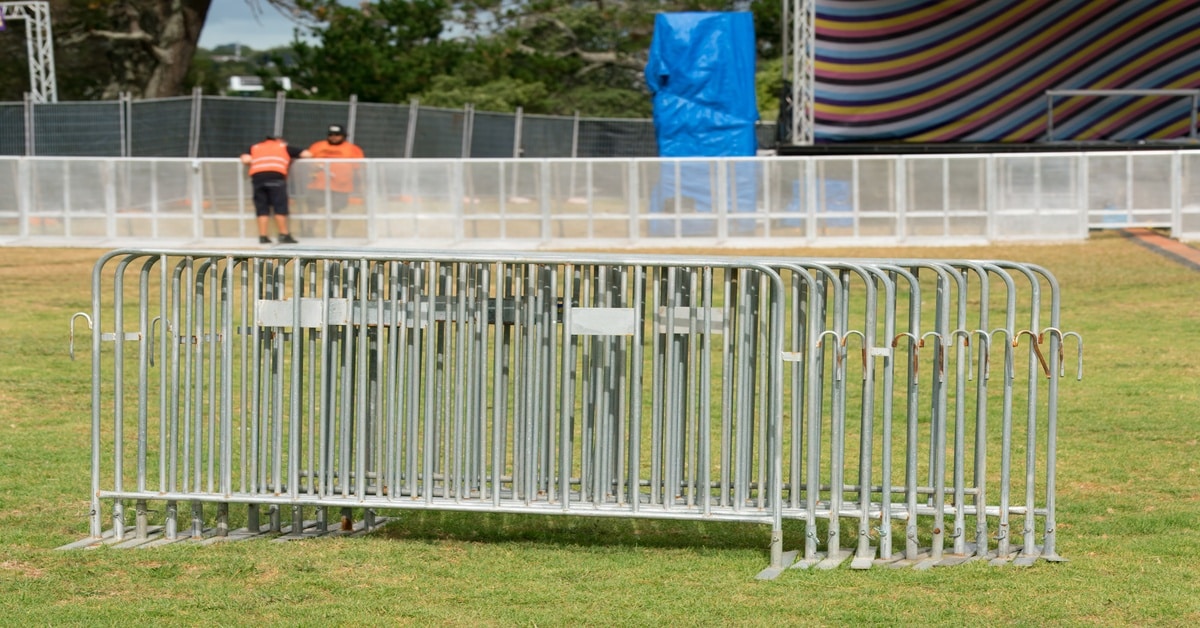
1. Prepare the Site
Begin by clearing the planned fence line of any debris, vegetation, or obstacles. A level, clear surface is essential for proper placement of the fence feet, ensuring the panels stand straight and are uniformly supported. Mark out the perimeter to guide the installation and confirm all measurements are accurate.
2. Position the Fence Feet
Place the fence feet along the marked perimeter at intervals that match the length of your fence panels. For standard eight-foot panels, you should place the feet just under eight feet apart to allow the panels to slot in securely. Ensure each foot is on solid, level ground to prevent wobbling, which can compromise the entire fence line.
3. Install the Fence Panels
With the feet in position, lift the fence panels and insert the vertical pipes at the bottom of each panel into the holes in the fence feet. Two people perform this task to ensure safety and proper alignment; without both individuals, the panels may be crooked. Check that each panel is firmly in place and stands vertically.
4. Secure Panels With Clamps
Once the panels are in place, use clamps to connect them. Attach one clamp near the top of the adjoining panels and another near the bottom. Tighten the bolts on the clamps securely to create a rigid connection. This step is vital for preventing gaps and maintaining the fence’s structural integrity, making it more difficult to breach.
5. Install Stays for Added Stability
For enhanced stability, especially for long fence runs or in windy locations, install stays or braces. You should place the stays at regular intervals (e.g., every third or fourth panel) and at all corners and ends.
A stay typically consists of an extra fence foot and a support pole that connects to the panel, forming a triangular base that braces the panel against the ground. This significantly increases the fence’s resistance to wind and physical pressure.
Advanced Techniques for Securing Temporary Fencing
For sites requiring a higher level of security or those located in challenging environments, basic installation may not be sufficient. These advanced techniques provide additional reinforcement.
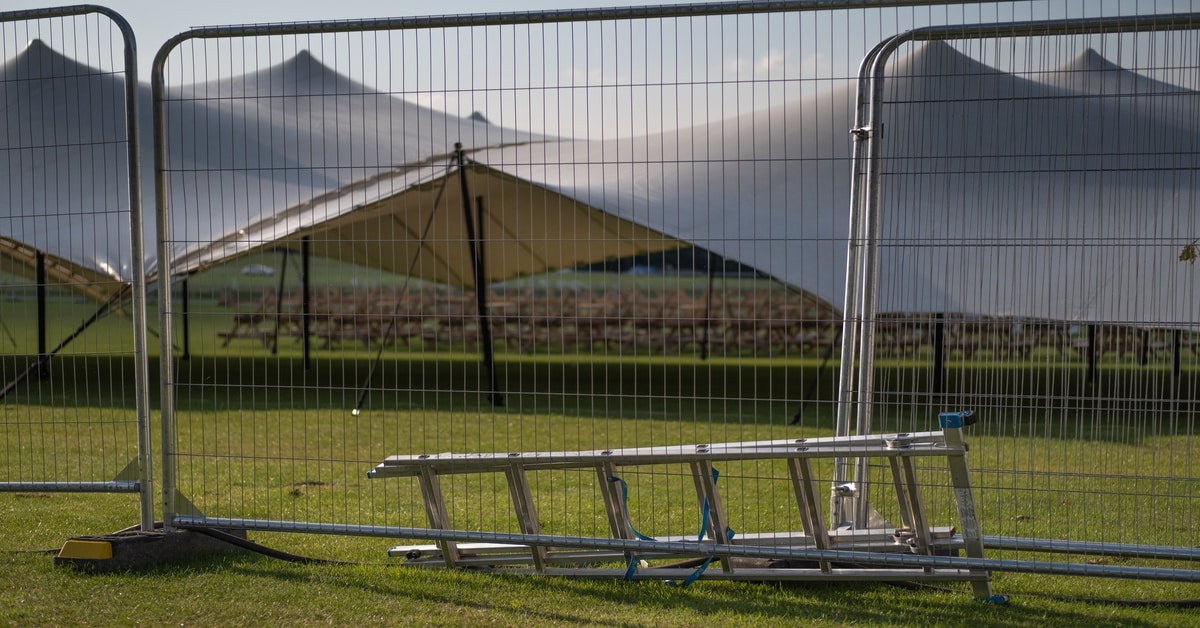
Bracing and Wind Protection
High winds are a primary cause of temporary fence failure. To counteract this, use heavy-duty stays and consider adding weight to the fence feet. Sandbags or concrete blocks placed on top of the feet can dramatically increase stability. For fences with shade cloth or signage, which can act like a sail in the wind, wind bracing is not just recommended—it’s essential.
Anti-Lift Devices
A determined intruder might try to lift a panel out of its base. To prevent this, use anti-lift devices. These are simple mechanisms that lock the fence panel to the foot, preventing removal without specialized tools. This is a simple but highly effective security upgrade.
Ground Pins
On soft surfaces like grass or dirt, fence feet can shift or sink. To anchor the fence more securely, drive ground pins through the holes in the fence feet and into the ground. This provides a much stronger hold and prevents the fence from being pushed or moved.
Securing Gates and Access Points
Gates are often the weakest link in a security perimeter. Ensure that temporary fence gates are as secure as the rest of the fence line. Use heavy-duty hinges and a high-quality, industrial-grade padlock. For added security, install a drop bolt that secures the gate to the ground when closed.
Your Partner in Site Security
Properly securing temporary fencing is not just about following steps; it’s about creating a safe and controlled environment. By understanding the components, following a meticulous installation process, and applying advanced security techniques, you can ensure your temporary fence provides the reliable protection your project demands.
If you require high-quality temporary fencing rentals and expert advice, Rentafence.com is the place to go. Our expert team is ready to assist you with your fence rental needs.
We provide a comprehensive range of temporary fencing products and services that meet the highest standards of safety and security for your site. Contact us today to discuss your project requirements and let us help you build a secure perimeter.
Recent Comments