
Barricades play a critical role in organizing spaces where safety and accessibility matter. Event planners, contractors, and municipalities rely on them to manage pedestrian flow and restrict access that is unsafe.
Clear pathways reduce confusion, prevent injuries, and support regulatory compliance. When your team selects the right barricade system, you can protect both the public and the project timeline.
Crowd movement creates unpredictable pressure points in busy environments. Strategic barricade placement directs traffic and minimizes congestion. Organized layouts also allow emergency personnel to move efficiently when needed. A well-planned barricade strategy strengthens both ADA safety and crowd control.
Why ADA Compliance Matters
The Americans with Disabilities Act (ADA) requires accessible routes in public and commercial environments. Event organizers and construction managers must maintain clear, stable, and appropriately sized pathways. Barricades must never block accessible entrances, curb ramps, or designated parking areas. Teams must plan layouts that allow wheelchair users and mobility devices to move freely.
Accessible design goes beyond minimum width requirements. Barricades must remain stable and free of protrusions that create tripping hazards. Clear signage and defined routes help visually impaired individuals navigate the space. Compliance protects attendees, reduces liability, and reflects professional event management.
Choosing the Right Barricade System
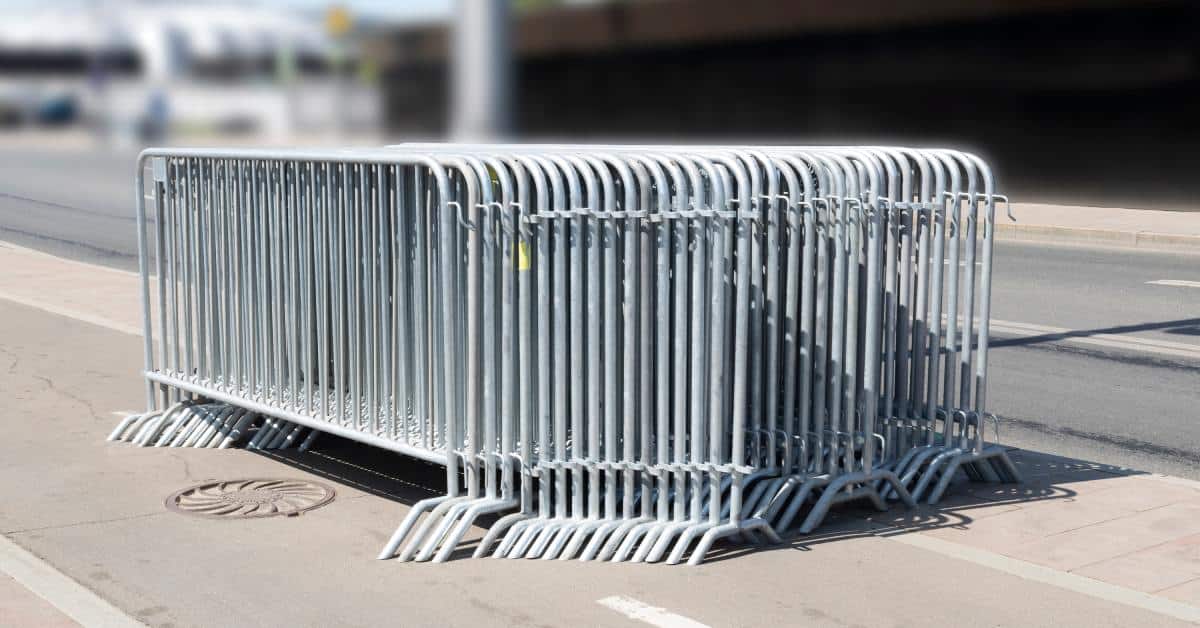
Different environments require different barricade solutions. Construction sites often require durable steel barricades that withstand long-term use. Events may require lightweight systems that crews can quickly deploy and reposition. Project managers must evaluate crowd size, duration, and terrain before making a selection.
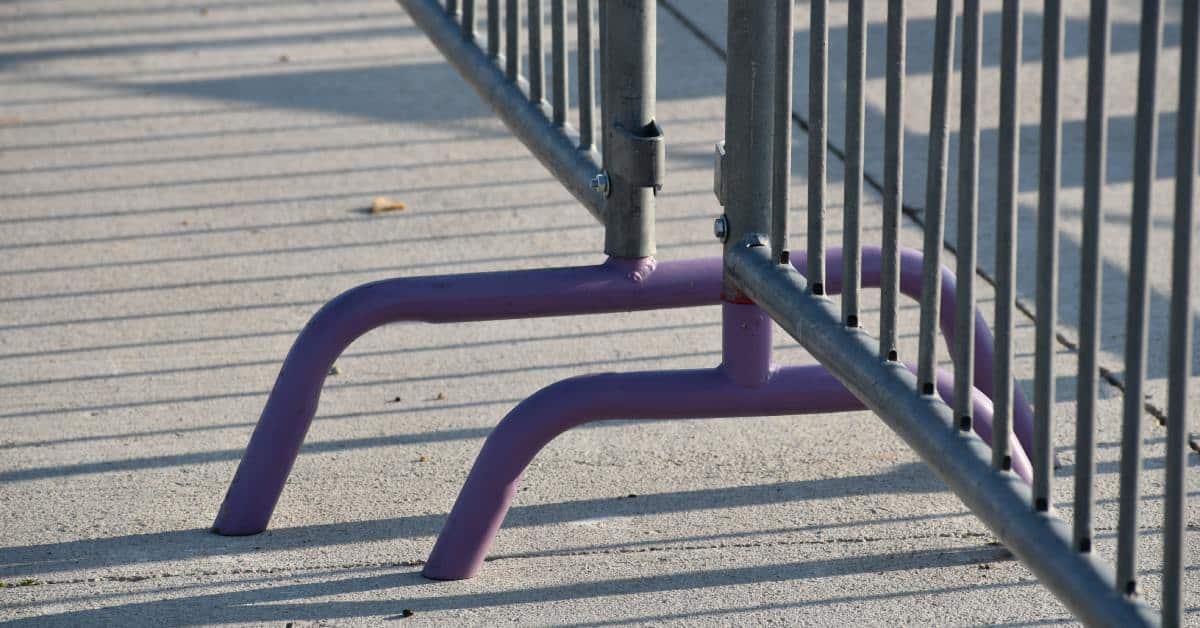
Interlocking barricades create continuous lines that resist shifting under pressure. Weighted bases provide additional stability on uneven surfaces, reducing the risk of the barricades separating or tipping over.
Weather conditions also influence product selection, especially for outdoor installations. Careful planning ensures the barricade system performs as expected throughout the project.
Planning Accessible Pedestrian Pathways
Accessible routes must remain continuous from entrance to exit. If you’re planning a major event, you must account for turning radius, slope, and surface conditions when designing pathways. Barricades should guide traffic without forcing abrupt detours. Straight, clearly marked corridors reduce confusion and improve safety.
Your team should also consider peak crowd flow periods. Entry gates, ticket booths, and security checkpoints often create bottlenecks. Proper spacing between barricade lines prevents overcrowding and reduces frustration. Monitor potential bottleneck areas throughout the event to prevent congestion.
Crowd Control Best Practices for Events
Event environments demand precision and foresight. High-traffic concerts, festivals, and sporting events require defined zones for entry, queuing, and restricted access. Barricades create structured lines that keep attendees organized and calm. Effective crowd control improves both safety and guest experience.
When planning event layouts, focus on these key practices:
- Maintain minimum ADA pathway widths at all times
- Separate pedestrian and vehicle traffic clearly
- Use stable bases to prevent tipping
- Provide visible signage along barricaded routes
- Inspect barricade lines regularly during the event
These measures reduce risk and demonstrate professional oversight. Clear organization also reassures attendees and staff.
Construction Sites and ADA Considerations
Construction projects often disrupt sidewalks and public walkways. Contractors must maintain safe, accessible routes around active work zones. Barricades help redirect foot traffic while protecting pedestrians from equipment and debris. Site managers must evaluate local regulations in addition to federal ADA standards.
Temporary walkways may require additional features such as ramps or protective overhead coverage. Crews must secure barricades firmly to prevent shifting due to wind or vibration. Clear markings and reflective elements improve visibility in low-light conditions. Proper setup protects the public while keeping projects compliant.
Managing High-Volume Crowds Safely
Large gatherings create intense pressure along barricade lines. Security teams must anticipate surge points near stages, entrances, and exits. Interlocked steel barricades resist movement when crowds lean or push forward. Strong perimeter control protects both attendees and performers.
Spacing and reinforcement matter in high-density situations. Teams should avoid long unsupported stretches that may flex under pressure. Strategic breaks in barricade lines allow emergency egress if required. Continuous supervision ensures rapid response to developing issues.
Rental vs. Purchase: Making the Smart Choice
Many organizations benefit more from renting barricades rather than purchasing them. Short-term projects often do not justify storage and maintenance costs. Rental providers supply properly maintained equipment that meets industry standards. Flexible rental terms also accommodate seasonal demand.
For events and temporary projects, renting a crowd control fence is a practical and cost-effective solution. Professional rental companies deliver, install, and remove barricades efficiently. This service reduces labor strain and ensures correct placement. Reliable rentals allow teams to focus on operations instead of logistics.
Installation and Ongoing Monitoring
Proper installation determines the effectiveness of any barricade system. Crews must position units on stable ground and confirm interlocking connections remain secure. Teams should inspect base alignment to prevent gaps or uneven spacing. Thorough setup reduces safety risks from the start.
Monitoring continues throughout the duration of the project or event. Staff should conduct routine checks for shifting, tampering, or damage. Weather changes may require reinforcement or repositioning. Consistent oversight keeps pathways safe and compliant.
The Role of Professional Barricade Providers
Experienced rental providers understand ADA requirements and crowd dynamics. They help clients select the correct equipment for each environment. Professional teams coordinate delivery schedules that align with project timelines. If you’re looking for crowd-control fence rentals, visit Rentafence.com. Our expertise reduces guesswork and improves efficiency.
We offer fencing rentals for various occasions. From construction sites to major event planning. We can help you through the rental process. Access to multiple barricade styles ensures the right fit for each application. We also maintain equipment in excellent condition.
Prioritize Secure, Accessible, and Organized Spaces
Barricades serve as essential tools for maintaining ADA compliance and managing crowd movement. Proper planning ensures accessible routes remain clear and safe. Strategic placement reduces congestion and enhances the overall experience for visitors and workers. Ongoing monitoring keeps these fencing systems effective from start to finish.
Regardless of what event you’re planning, you need a reliable fencing solution. That starts with a premier fence-rental service like Rentafence.com.
Rentafence.com delivers dependable barricade solutions for construction sites, events, municipalities, and more. We offer crowd control barricades and other temporary fencing options to support organized, compliant environments.
Professional installation services and 24/7 availability help clients stay on schedule and protected. If you’re seeking reliable fencing rentals, contact Rentafence.com to secure safe and efficient barricade solutions.
Recent Comments