
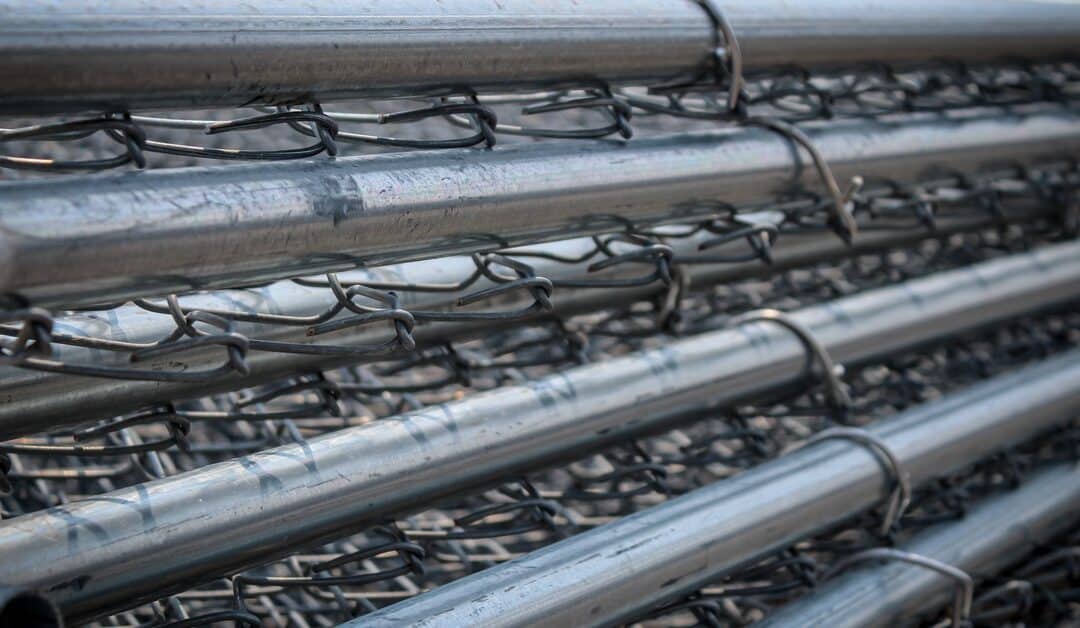
Fence panels represent a significant investment for any contractor, and improper handling can lead to costly damage, project delays, and unhappy clients. Whether you’re working with wood, vinyl, metal, or composite materials, understanding the correct storage and transportation methods is essential for maintaining panel integrity and maximizing your project profitability.
Professional contractors understand that a damaged fence panel can disrupt timelines and erode profit margins, so protecting it is essential for a successful project. This guide will walk you through the proper storage and transportation of fence panels, enabling you to deliver quality results while protecting your investment.
Pre-Storage and Transportation Planning
Transporting fence panels starts long before you have them in your possession. Planning and storage are key preparation steps you should make to keep the project on schedule and minimize the chance of damage.
Inventory Assessment and Material Classification
Before handling any fence panels, conduct a thorough inventory assessment. Different materials require specific storage conditions and handling techniques. Wood panels need protection from moisture and temperature fluctuations, while metal panels require safeguards against scratching and corrosion. Vinyl panels can become brittle in cold temperatures, and composite materials may warp under excessive heat.
Document each panel’s dimensions, material type, and any special handling requirements. This information becomes invaluable when planning storage layouts and transportation logistics. Create a tracking system that allows you to locate specific panels quickly and monitor their condition over time.
Site Evaluation and Preparation
Proper preparation prevents costly mistakes. Evaluate your storage area for level surfaces, adequate drainage, and protection from the elements. The storage location should provide easy access for loading equipment while maintaining security for valuable materials. For transportation, plan your route well in advance. Consider bridge weight limits, overhead clearances, and road conditions that could affect panel stability during transport.
Storage Best Practices by Material Type
Storing your materials properly is essential for maintaining their quality, ensuring safety, and optimizing project efficiency. Different types of materials require specific handling and storage conditions to prevent damage, minimize waste, and maintain compliance with safety regulations.
Wood Panel Storage
Wood fence panels demand the most attention to environmental conditions. Store panels in a dry, well-ventilated area with consistent temperature and humidity levels. Stack panels horizontally on level supports, placing blocking between each layer to promote air circulation and prevent warping.
Position blocking at consistent intervals, typically every 4 feet, directly above the supports below. This prevents sagging and maintains panel flatness. Cover the stack with breathable material like canvas tarps and avoid plastic sheeting that can trap moisture and promote mold growth.
Rotate your wood panel inventory regularly, using older stock first to prevent deterioration. Check stored panels monthly for signs of warping, splitting, or pest damage. Address any issues immediately to prevent them from spreading to other panels.
Metal Panel Storage
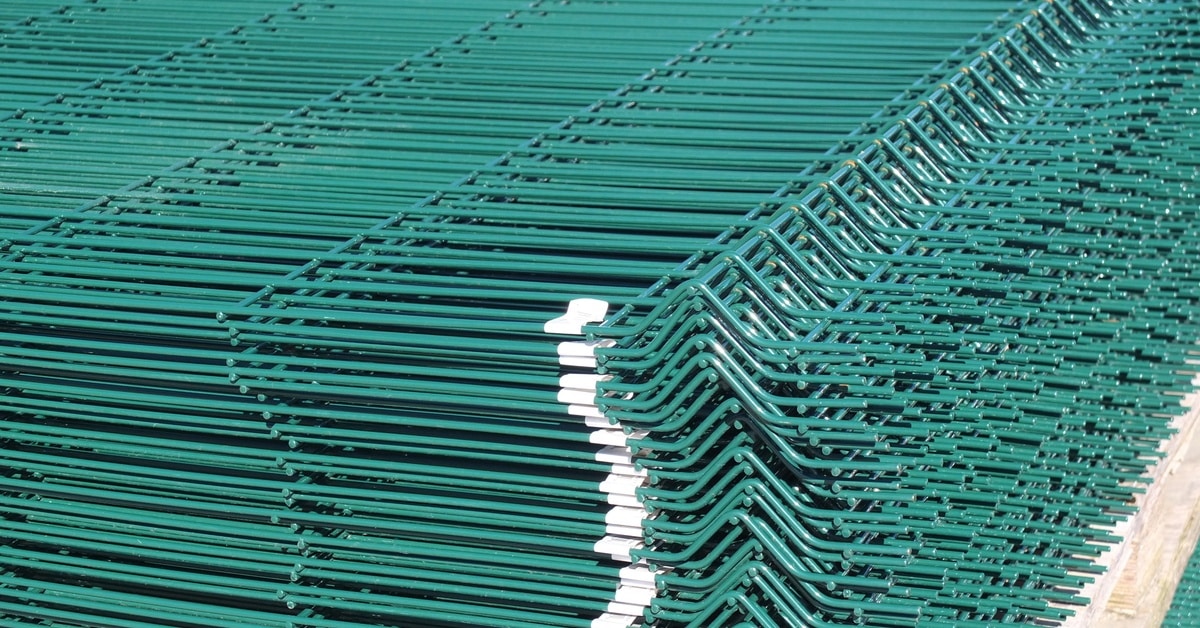
Metal fence panels require protection from moisture, scratching, and impact damage. Store panels vertically in dedicated racks with soft padding between each panel. This prevents scratching while maximizing storage efficiency in a limited space.
Apply protective film or cardboard barriers between stacked panels to protect them properly. Ensure adequate ventilation around metal panels to prevent condensation buildup. In coastal areas or high-humidity environments, consider using desiccants or dehumidifiers to control moisture levels.
Inspect metal panels regularly for signs of corrosion, particularly at cut edges and connection points. Address any rust spots immediately with appropriate treatments to prevent spreading.
Vinyl and Composite Panel Storage
These materials are generally more forgiving than wood or metal but still require proper handling. Store panels away from direct sunlight to prevent UV degradation and color fading. Maintain moderate temperatures, as extreme heat can cause warping while extreme cold can make materials brittle.
Stack vinyl and composite panels flat with uniform support across their length. Use protective padding between layers and avoid point loads that could cause permanent deformation. You can store these materials for extended periods with minimal maintenance, making them ideal for contractors managing multiple projects simultaneously.
Transportation Techniques and Equipment
Efficient transportation of materials is crucial for contractors to maintain project timelines and reduce costs. By optimizing transportation strategies, contractors can improve overall efficiency and enhance client satisfaction without worrying about damage to the fencing.

Vehicle Selection and Setup
Choose transportation vehicles based on panel size, weight, and quantity. Flatbed trailers offer the most versatility for large panels, while enclosed trailers provide weather protection for sensitive materials. Ensure your vehicle’s weight capacity exceeds the total load, including securing equipment and blocking materials.
Install proper tie-down points and blocking systems before loading. Use load bars, ratchet straps, and edge protection to distribute securing forces evenly across panels. Never rely solely on weight to keep panels in position during transport.
Loading and Securing Methods
Load panels systematically, placing heavier materials on the bottom and distributing weight evenly across the vehicle bed. Use blocking materials to prevent shifting and create stable load configurations. Secure panels at multiple points, avoiding over-tightening that could damage materials.
For long panels extending beyond the vehicle bed, use proper flagging and lighting according to local regulations. Consider using pilot cars for oversized loads or splitting large shipments into multiple trips for safety and compliance.
Position panels to minimize wind resistance and potential damage from road debris. Cover exposed materials when weather conditions warrant protection. Always perform a final load inspection before departing and check securing devices periodically during long hauls.
On-Site Handling and Protection
Once the fencing panels arrive, you should still maintain caution and safety standards around the worksite. By implementing best practices for material storage, transportation within the site, and protection against environmental factors, contractors can maintain the quality of their resources and optimize overall efficiency.
Unloading Procedures
Plan your unloading sequence before arriving at the job site. Position the delivery vehicle for easy access while maintaining safe working distances from obstacles and overhead hazards. Use proper lifting techniques and equipment to prevent worker injury and material damage.
Designate specific crew members for material handling and ensure they understand proper techniques for each panel type. Move panels directly to their final storage location or installation position when possible to minimize handling.
Temporary Site Storage
When storing panels on-site, create dedicated storage areas away from heavy traffic and construction activities. Use the same stacking and protection principles employed in warehouse storage, adapting techniques for outdoor conditions.
Protect stored panels from weather, debris, and potential damage. Clearly mark storage areas and restrict access to authorized personnel. Implement daily inspection routines to identify and address any issues quickly.
Streamline Your Fence Panel Operations
Proper storage and transportation of fence panels directly impact your project’s profitability and client satisfaction. These proven techniques will help you deliver professional results while minimizing material waste and protecting your investment.
When you work with a professional fencing rental service, you can focus on your project and allow them to worry about the transportation and installation process. With Rentafence.com, we can help you with the logistics. Our lightweight temporary chain link fence panels are a great option for durable protection. Contact us today for a quote on your next project.
Recent Comments