

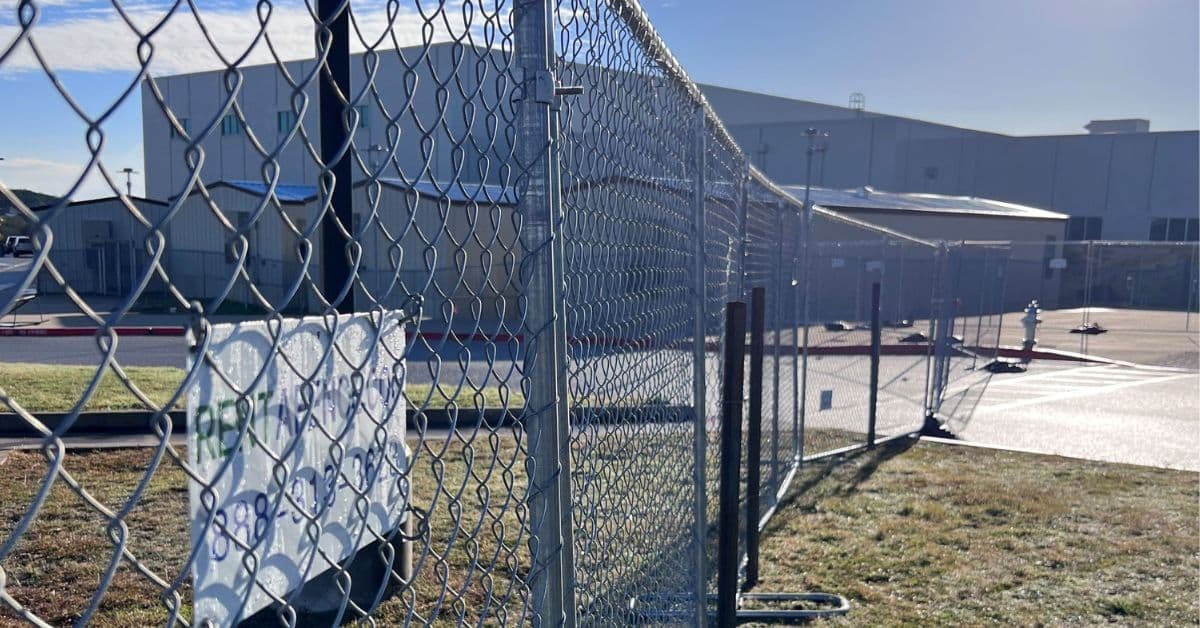
Setting up a fencing structure for long-term projects will keep your equipment safe from trespassers and improve work conditions for onsite members. Without consistent cleaning and maintenance, you may need to replace these fences sooner than expected. Learn how to properly maintain post-driven chain link fences on job sites and teach your team the basic repair skills they can apply on the job.
Cleaning Practices for Optimal Fence Longevity
Wiping down the surface is one of the easiest steps to maintain your perimeter. Dirt, debris, and environmental contaminants can compromise the fence’s structural integrity over time, which could lead to costly repairs or replacements. Cleaning these fences will improve their strength and longevity for the duration of your project.
Removing Dirt and Grime
Dirt and grime buildup can weaken the coating of your chain link fence and invite premature rusting. Use a power washer or a hose with a spray attachment to remove surface dirt effectively and prevent future damage.
For stubborn spots with excessive buildup, apply a mild detergent and scrub with a soft brush. Avoid abrasive materials that could damage the fence’s protective coating.
Preventing Rust at Critical Points
Rust often forms at welded joints, posts, or areas where the coating has worn off. After cleaning, inspect these areas for early signs of rust. When you spot rust, use a wire brush to remove it, followed by applying a rust-resistant primer or spray.
Cleaning Fence Accessories
If your fence includes accessories like windscreens or sandbags, clean off their surfaces as well. Remove windscreens periodically and clean them to prevent dirt accumulation. Check to make sure sandbags remain intact and free from moisture to avoid promoting mold or unnecessary weight stress on the fence posts.
Inspecting and Addressing Structural Issues
Once cleaned, routine inspections help identify areas that require repairs before minor issues escalate into costly replacements. Conduct regular walkthroughs to check for damage and wear that could compromise your fence’s efficiency.
Identifying Signs of Structural Imbalance
Structural imbalances can occur due to strong winds, heavy equipment impacts, or shifting ground. After a stormy day or a successful transport, identify any leaning posts or sagging sections in the chain link. This damage could indicate underground stability issues or weakened anchors that need immediate attention.
Correcting Post Alignment
Realign leaning posts with a post driver or sledgehammer for minor post alignment issues. When facing more significant stability problems, consider re-digging and setting the post in fresh concrete to restore its stability. Partner with your rental company if you need readjustments for your post-driven fencing, as they will provide the tools necessary to avoid further complications.
Tightening Loose Chain Link Fabric
Over time, chain link mesh can stretch or detach from the main framework. For any holes in the perimeter, use tension bars or pliers to reattach the fabric to the posts or rails securely. Replace bent or warped ties with new ones to maintain the fence’s integrity.
Reinforcing Your Fence Against Environmental Elements
Job sites endure harsh environmental conditions, from heavy rain and UV rays to constant wind. Providing additional reinforcement for projects in harsh climates allows your fence to withstand the elements while maintaining its protective function.
Installing Privacy and Wind Screens
Wind screens help distribute wind forces evenly across the fence to reduce stress on posts and connections. These also provide additional privacy and dust control for your job site, which is especially useful for construction projects in urban areas. Securely attach the screens with zip ties or clips and regularly inspect the area to catch wear and tear before it creates bigger issues.
Applying Protective Coatings
Consider applying UV-resistant and weatherproof coatings to your chain link fence and its accessories. These act as a protective layer against environmental exposure to preserve the fence’s material and appearance over time. For long-term installations, this will help maintain your post-driven chain link fence on job sites with ease.
Addressing Seasonal Challenges
Different weather conditions require specific precautions. For instance, use proper drainage techniques around your fence posts in rainy seasons to prevent water pooling and potential post instability. During the summer, check for dry cracks in the ground that could loosen fence posts.

Training Your Teams on Fence Maintenance
Depending on the size of your job site, you may be unable to monitor the entire perimeter. Equip your staff with the right knowledge and skills to prevent smaller issues from escalating into larger problems that disrupt operations.
Performing Daily Inspections
Train site team members to perform quick daily inspections of the fence. This includes looking for loose connections, damaged sections, or any signs of tampering. Early detection prevents more extensive repairs later.
Conducting Easy Repairs
Provide instructions on straightforward repairs such as replacing damaged links, reapplying rustproof coatings, and fixing loose bolts. Also, having basic tools like pliers, wire cutters, and a post level readily available on-site simplifies this process for your staff. This holds everyone accountable for troubleshooting and maintenance when they notice damage to the perimeter.
Knowing When To Call the Professionals
While your team can handle many maintenance tasks, more complex repairs and replacements require professional assistance. Train staff to recognize when an issue needs professional attention and escalate the issue to their boss.
Maximizing Fence Lifespan With Accessories and Upgrades
The best way to boost your fence’s longevity is by using high-quality equipment and accessories from the start. Investing in quality components pays dividends throughout your project, creating a perimeter that withstands harsh conditions while adapting to your evolving operational needs.
Using Sandbags for Additional Stability
Sandbags provide extra support at the base of your fence to prevent shifting or leaning. During harsh weather conditions or heavy equipment use, these bags can also reduce the risk of the structure toppling over and damaging the posts and fencing along the perimeter.
Maintaining Entry Points
If your fence includes entry gates, maintaining their hinges, latches, and alignment will allow easy access for staff and vehicles. Lubricate moving parts to prevent rust and regularly tighten all hardware to prevent delays during operation.
Evolving Your Fence With Job Site Needs
Your fence requirements may change as your project progresses. Consider your fence as an adaptable system that can grow with your requirements. Modular upgrades like extending fence height, adding sliding gates, or integrating access control systems let you enhance security at any moment.
Secure your next job site with a reliable perimeter designed to protect your staff and the public during construction. With post-driven chain link fencing provided by rentafence.com, you’ll have a sturdy structure that will stand tall, even in the toughest conditions. Schedule a consultation with our specialists today to learn more about the installation process and additional resources you can include for maximum efficiency and care.
Recent Comments