
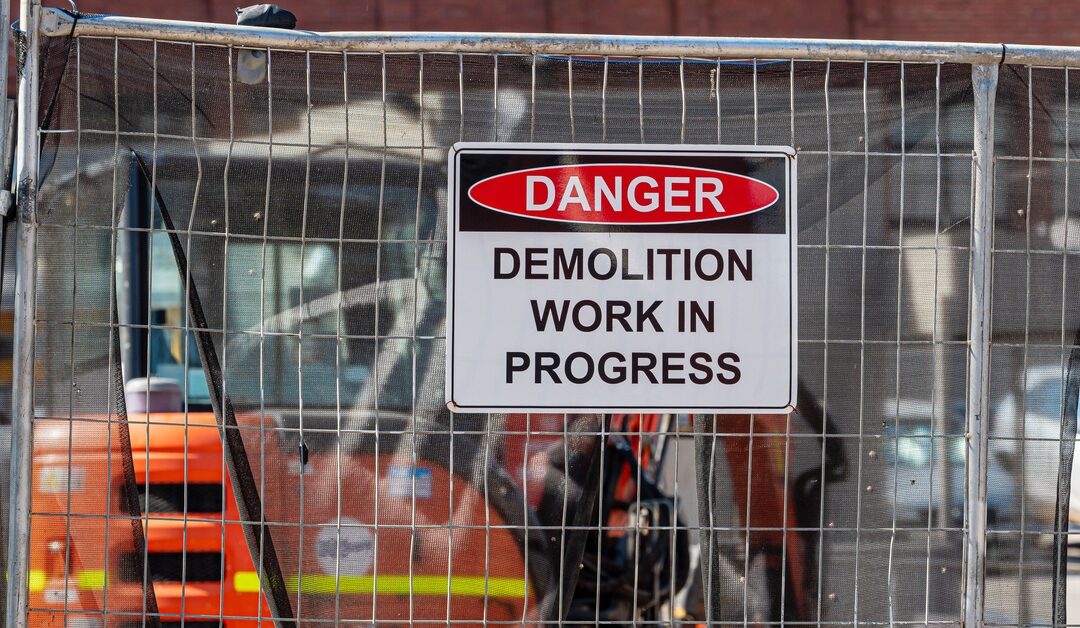
Demolition sites are inherently hazardous environments. The process of dismantling structures involves heavy machinery, falling debris, and numerous on-site risks. Ensuring the safety of workers and the public is the highest priority for any project manager.
A fundamental component of a comprehensive safety plan is the effective use of temporary fencing. This barrier is the first line of defense, creating a secure perimeter that mitigates risks and maintains control over the site.
We’ll explore the critical role temporary fences play in enhancing safety on demolition sites, covering the specific hazards they help control, the different types of fencing available, and key implementation considerations. Understanding how to secure a demolition zone properly is essential for compliance, liability protection, and, most importantly, preventing accidents and injuries.
The Primary Role of Temporary Fencing in Site Security
The most immediate function of temporary fencing is to establish a clear and secure boundary around the demolition zone. This serves several critical purposes, directly contributing to a safer environment for everyone involved.
Controlling Site Access
Unauthorized access is a major safety concern on any construction or demolition project. Without a proper barrier, members of the public, including curious children and individuals seeking scrap materials, can wander onto the site, exposing themselves to severe dangers.
A sturdy temporary fence acts as a physical deterrent, preventing unauthorized entry. By channeling all traffic through designated, monitored entry points, you can ensure only authorized personnel are on-site. This controlled access is crucial for:
- Preventing Injuries to the Public: It keeps pedestrians at a safe distance from demolition activities and potential hazards like unstable structures or open excavations.
- Protecting Workers: It prevents unexpected intrusions that could distract workers or lead to accidents with heavy machinery.
- Securing Assets: It deters theft of valuable equipment, tools, and materials left on-site overnight.
Containing Debris and Dust
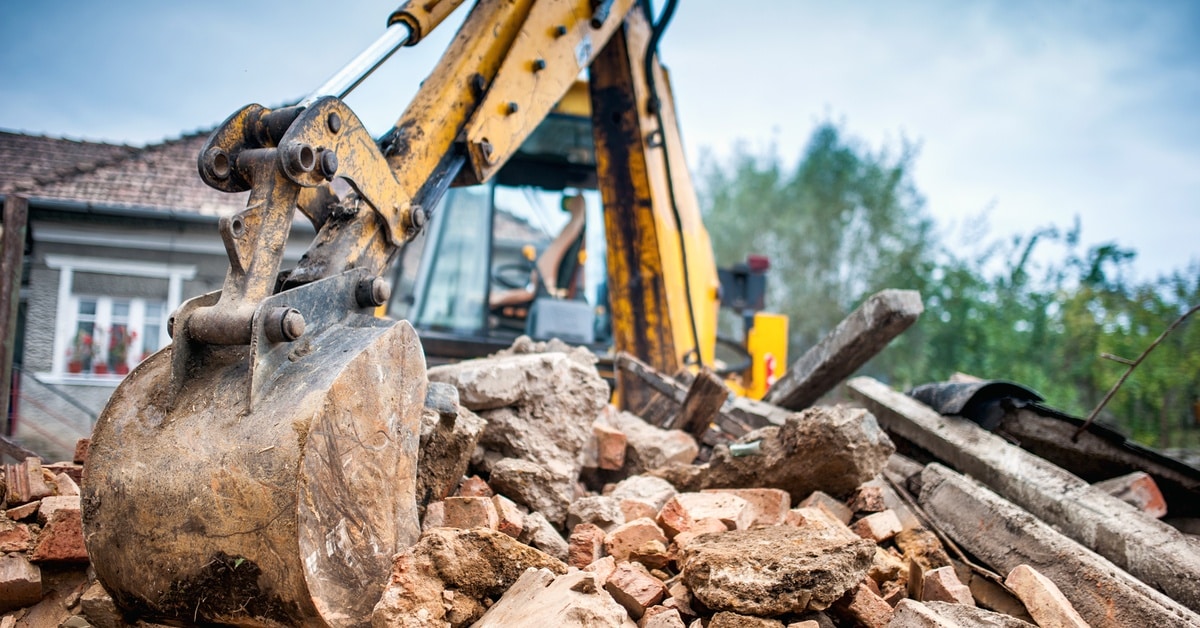
Demolition activities generate significant amounts of debris, ranging from small fragments of wood and metal to large concrete pieces. Without proper containment, this material can be projected beyond the worksite, posing a risk to nearby properties, vehicles, and pedestrians.
Temporary fences, especially when fitted with shade cloth or privacy screens, serve as an effective barrier to contain airborne dust and smaller debris. This helps to:
- Protect Public Safety: It minimizes the risk of injury from flying objects.
- Reduce the Environmental Impact: It helps control the spread of dust, which can affect air quality and settle on surrounding properties.
- Maintain a Cleaner Worksite: It keeps the immediate work area tidier and helps manage waste more effectively.
Creating Safe Zones for Workers
A large demolition site can be a chaotic place. Fencing can be used internally to partition the area into different zones. This strategy is effective for separating active demolition areas from safe zones where workers take breaks, store equipment, and hold meetings.
Designating these areas with clear barriers reduces the risk of workers accidentally entering a high-hazard zone where machinery is operating or structures are being brought down.
Managing Pedestrian and Vehicle Traffic
Demolition projects in urban or suburban areas often take place next to public roads and sidewalks. Temporary fencing is essential for rerouting pedestrian traffic and creating a safe buffer between the public and the worksite.
Covered walkways can be installed alongside the fencing to provide overhead protection from falling debris, ensuring pedestrians can pass by safely. Similarly, fencing helps guide construction vehicles to designated entry and exit points, preventing conflicts with public traffic and improving logistical efficiency.
Preventing Hazards from Unstable Structures
During demolition, structures can become unstable before they are fully dismantled. A secure fence line establishes a zone around these potentially hazardous areas. This perimeter ensures that, in the event of a partial collapse, the debris is contained within the site and does not endanger people or property outside the boundary.
Choosing the Right Temporary Fencing Solution
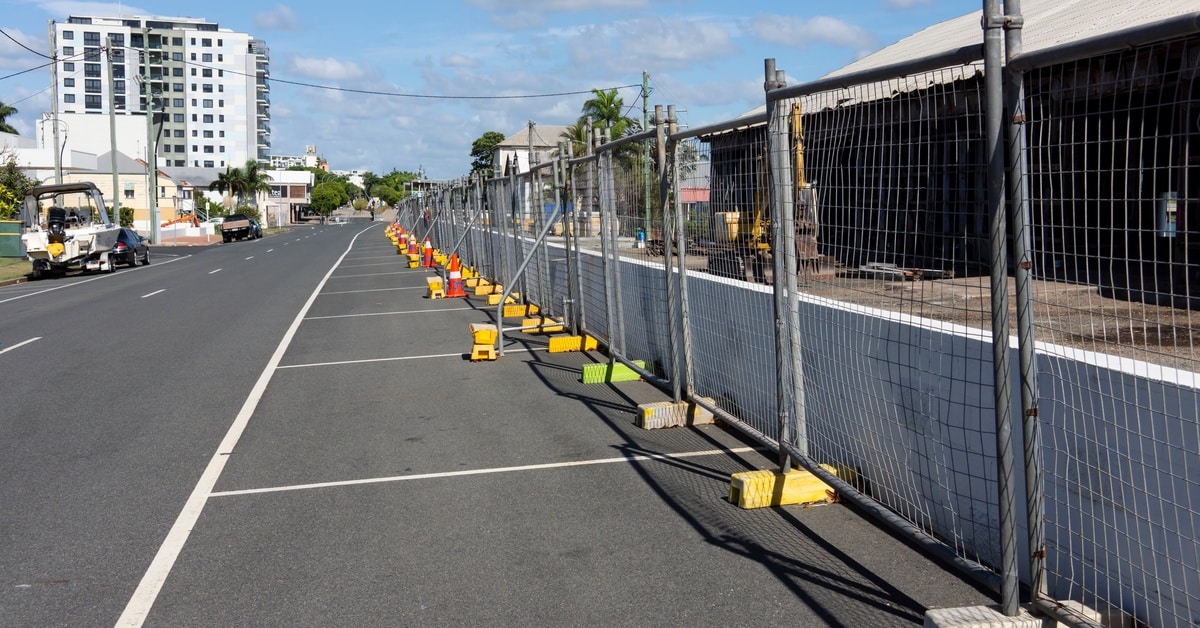
Not all temporary fences are created equal. The type of fencing you choose should be based on the specific needs of your demolition site, considering factors such as location, project duration, and the level of security required.
Chain-Link Fence Panels
Chain-link panels are the most common choice for demolition sites. They offer a strong and durable barrier that is difficult to climb or breach. These panels are typically mounted on portable stands and weighted with sandbags for stability.
This option works best for high-risk urban areas where security is a top priority. Chain link fence panels are very durable and provide high security, along with transparency, so you can still see into the worksite.
The see-through nature of chain-link also allows supervisors to monitor activity from outside the perimeter and helps emergency responders assess situations quickly if needed. These panels can be installed rapidly and repositioned as the demolition progresses through different phases, making them adaptable to changing site layouts.
Anti-Climb Mesh Panels
For sites requiring an even higher level of security, anti-climb mesh panels are an excellent option. The mesh is much finer than standard chain-link, making it nearly impossible to get a handhold or foothold.
Anti-climb mesh is the most secure fencing to prevent intruders from entering the site. Projects with valuable equipment on-site or in areas with a higher risk of trespassers should use these panels.
Privacy Screens and Shade Cloth
Adding privacy screens or shade cloth to any type of temporary fence offers additional benefits. These additions are not just for privacy; they are crucial for dust and debris containment.
In densely populated urban areas, privacy screens effectively contain dust and debris during demolitions. Projects that generate excess dust can use these to enhance dust control and prevent small debris from spreading throughout the community.
Site Security Protects Your Project
Temporary fencing during demolitions is not just a regulatory requirement; it is a foundational element of a safe and successful project. By carefully planning and implementing a robust fencing solution, you can control site access, contain hazards, and protect both your workers and the public. This proactive approach to safety minimizes liability, prevents costly accidents, and ensures your project proceeds smoothly from start to finish.
If you are planning a demolition project, take the time to assess your site’s specific safety needs. Investing in the right construction fence rental provides peace of mind and demonstrates a commitment to safety that reflects positively on your entire operation.
Rentafence.com offers a variety of fencing options to help secure your worksite and maintain safety throughout the demolition process. Contact us to learn more about potential fencing rentals.
Recent Comments